
The Dangers of Hidden Mold from Plumbing Leaks

A San Jose Homeowner’s Guide to Protecting Property & Health
Plumbing leaks rarely stay simple. What begins as a slow drip behind drywall or under a sink can escalate into structural damage, indoor air contamination, and costly remediation. In San Jose, where many homes include aging copper lines, slab foundations, and concealed plumbing systems, hidden leaks frequently go unnoticed — until mold becomes a serious problem.
Understanding how mold develops from plumbing failures is critical for homeowners who want to protect both their investment and their family’s health.

This guide explains:
How hidden plumbing leaks lead to mold growth
The structural and health risks involved
Warning signs specific to Bay Area homes
Prevention strategies
When to call a licensed plumber
Why Plumbing Leaks Lead to Mold Growth
Mold requires three things to thrive:
Moisture
Organic material (drywall, wood framing, insulation)
Limited airflow
A hidden plumbing leak creates the perfect microclimate inside walls, ceilings, or subfloors.
Common leak sources in San Jose homes include:
Corroded copper pipes
Failed angle stops and supply lines
Slab leaks beneath foundations
Improperly sealed shower pans
Drain line separations
Water heater failures
Because the leak is concealed, moisture accumulates slowly. Within 24–48 hours, mold spores — which naturally exist in the air — begin colonizing damp materials.
The longer the moisture persists, the deeper the contamination spreads.
The Structural Risks of Hidden Mold
Many homeowners underestimate mold as merely a cosmetic issue. In reality, prolonged moisture exposure weakens building materials and can compromise structural integrity.
1. Drywall Degradation
Drywall absorbs water rapidly. It softens, crumbles, and eventually collapses.
2. Wood Rot
Subflooring, wall studs, and framing components deteriorate under sustained moisture exposure. This can lead to:
Uneven flooring
Door frame warping
Cabinet instability
3. Insulation Damage
Wet insulation loses thermal performance and can harbor mold growth internally.
4. Foundation Concerns (Slab Leak Cases)
In slab-on-grade homes common throughout San Jose, undetected slab leaks can shift soil conditions and increase hydrostatic pressure beneath foundations.
Repairing mold damage is often more expensive than repairing the original plumbing leak.

Health Risks Associated with Hidden Mold
While mold affects everyone differently, indoor exposure can trigger symptoms, especially in children, seniors, and individuals with respiratory conditions.
Possible health effects include:
Chronic coughing
Nasal congestion
Sinus irritation
Eye irritation
Skin rashes
Headaches
Asthma flare-ups
Prolonged exposure in enclosed environments increases symptom severity.
Even if mold is not visible, musty odors often indicate microbial growth behind walls or under flooring.
Warning Signs of Hidden Plumbing Leaks
Early detection reduces damage and remediation costs. San Jose homeowners should watch for:
Subtle Indicators
Musty or earthy odor
Unexplained humidity increase
Slight paint bubbling
Minor drywall discoloration
Moderate Warning Signs
Soft or spongy flooring
Warped baseboards
Water stains on ceilings
Cabinet backing deterioration
Serious Red Flags
Visible black or green mold patches
Sudden spike in water bills
Mold returning after cleaning
Persistent damp areas despite surface drying
If multiple symptoms appear together, concealed plumbing failure is likely.
Why Mold Problems Are Common in San Jose Homes
Several local factors contribute to mold risks:
Aging Infrastructure
Many homes built between the 1960s and 1990s rely on copper plumbing systems approaching the end of their lifespan.
Slab Foundations
Slab leaks can remain undetected for months because there is no crawl space for inspection.
Silicon Valley Renovations
Improper DIY remodels sometimes trap moisture inside wall cavities due to:
Incorrect vapor barrier installation
Poor drain slope
Improper shower pan waterproofing
Seasonal Moisture Fluctuations
While San Jose has a relatively dry climate, winter rains combined with indoor plumbing leaks create interior humidity pockets.
The True Cost of Ignoring Hidden Leaks
Many homeowners delay repair because the leak appears minor. However, ignoring early signs can escalate costs dramatically.
Stage 1 – Leak Repair Only
$250 – $1,200 (depending on access and pipe location)
Stage 2 – Leak + Drywall Removal
$1,500 – $5,000
Stage 3 – Leak + Mold Remediation + Structural Repair
$5,000 – $20,000+
In severe cases, professional mold abatement teams must contain affected zones using negative air pressure systems and HEPA filtration.
Insurance coverage may be limited if negligence or long-term damage is documented.
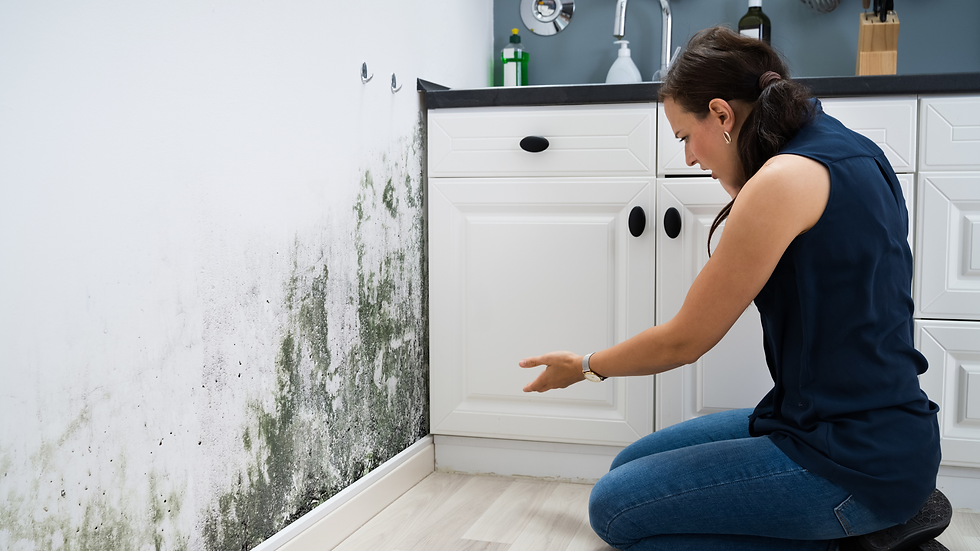
High-Risk Areas for Mold from Plumbing Leaks
Certain parts of the home are especially vulnerable:
Under Kitchen Sinks
P-trap leaks and supply line failures frequently saturate cabinet bases.
Behind Showers and Tubs
Improper grout maintenance allows water intrusion behind tile.
Laundry Rooms
Washing machine hoses and drain standpipes commonly leak unnoticed.
Water Heater Closets
Sediment buildup and corrosion lead to slow base leaks.
Attics (HVAC Condensate Lines)
Clogged condensate drains can saturate insulation.
How Professional Plumbers Detect Hidden Leaks
Modern leak detection involves advanced diagnostic tools:
Electronic acoustic leak detection
Infrared thermal imaging
Moisture meters
Pressure testing
Camera inspection of drain lines
Accurate detection minimizes wall demolition and reduces repair costs.
In slab leak scenarios, rerouting overhead piping is often more cost-effective than jackhammering concrete.
Preventing Mold from Plumbing Leaks
Proactive maintenance is significantly less expensive than remediation.
Annual Plumbing Inspection
Licensed plumbers inspect:
Supply lines
Angle stops
Drain integrity
Water heater condition
Fixture seals
Replace Aging Shut-Off Valves
Old multi-turn angle stops are prone to failure. Upgrading to 1/4-turn valves reduces risk.
Monitor Water Pressure
Excessive pressure stresses fittings and accelerates failure.
Install Leak Detection Systems
Smart water monitoring devices can automatically shut off water during abnormal flow.
Maintain Caulking & Grout
Especially in bathrooms and kitchens.
When to Call a San Jose Plumber
You should contact a professional immediately if:
You detect unexplained moisture
Your water bill increases without usage change
There is persistent musty odor
Flooring becomes soft or warped
You suspect a slab leak
Prompt response limits structural impact and mold colonization.
Local Expertise Matters
Working with a licensed plumber familiar with San Jose construction styles ensures:
Accurate leak diagnosis
Code-compliant repairs
Knowledge of local permitting requirements
Efficient remediation coordination
Homes in neighborhoods like Willow Glen, Almaden Valley, and Evergreen often have distinct plumbing layouts requiring experienced evaluation.

Why Choose Local Rooter Corp?
When plumbing leaks threaten your home, you need precision and accountability.
Local Rooter Corp provides:
Leak detection technology
Slab leak diagnostics and rerouting
Emergency plumbing response
Transparent pricing
Warranty-backed workmanship
We understand the construction patterns common throughout San Jose and tailor repairs to minimize disruption while maximizing durability.
Call 408-868-8759 for professional leak detection and repair in San Jose.
Early intervention protects your home, health, and long-term property value.
Final Thoughts: Hidden Mold Is Preventable
Mold caused by hidden plumbing leaks is not just a cosmetic nuisance — it is a structural and health hazard that escalates rapidly when ignored.
San Jose homeowners should prioritize:
Routine plumbing inspections
Immediate leak repairs
Moisture monitoring
Professional evaluation when warning signs appear
If you suspect hidden moisture behind walls, under floors, or beneath your slab foundation, do not delay assessment.
A small leak today can become major mold remediation tomorrow.
Protect your investment. Address plumbing issues early. And work with licensed professionals who understand San Jose homes inside and out.


Comments