
Gas Water Heater Ban in the Bay Area (2027): What Homeowners Must Do Now

Starting January 1, 2027, a major shift is coming for homeowners across the Bay Area. New regulations from the Bay Area Air Quality Management District will effectively ban the sale and installation of new natural gas water heaters under 75,000 BTU/hr—which includes most residential systems.
If you own a home in places like San Jose, Santa Clara, or anywhere in the Bay Area, this change will directly affect how you repair or replace your water heater in the near future.
This guide breaks down exactly what the rule means, what your options are, and—most importantly—why waiting could cost you thousands of dollars and weeks without hot water.

What Is the 2027 Gas Water Heater Ban?
The new rule requires that all newly installed residential water heaters must meet ultra-low NOx (nitrogen oxide) emission standards. In practice, this means:
No new standard gas water heaters after Jan 1, 2027
Electric and heat pump water heaters become the default replacement
Applies when replacing existing units—not current usage
So if your current gas water heater is still working, you can keep using it. But once it fails, you will not be allowed to replace it with another gas unit.
Why This Matters More Than You Think
Most homeowners don’t think about their water heater—until it breaks. And that’s exactly where the risk lies.
Today (Before 2027)
Replace gas with gas in 2–4 hours
Minimal permitting
Lower upfront cost
After 2027
Must convert from gas → electric or heat pump
May require:
Electrical panel upgrade
New wiring (240V)
Permit approvals
Installation timeline: 2–14 days (or longer)
If your water heater fails in 2027, you could be stuck without hot water for days or even weeks.

The Hidden Cost of Waiting
Many homeowners assume they’ll deal with this later. That’s a mistake.
1. Emergency Conversion Costs
A rushed upgrade often includes:
Electrician fees
Panel upgrades ($2,000–$5,000+)
Permit expediting
2. Labor Shortage Surge
As 2027 approaches:
Demand will spike
Installers will be booked out
Prices will rise
3. Delays That Affect Your Daily Life
No hot water impacts:
Showers
Laundry
Dishwashing
Tenant satisfaction (if rental property)
What Are Your Replacement Options?
1. Heat Pump Water Heater (Best Long-Term Choice)
Heat pump systems are the most recommended solution under the new rules.

Benefits:
Extremely energy efficient
Lower operating cost
Eligible for rebates and incentives
Environmentally compliant
Considerations:
Higher upfront cost
Requires adequate space and airflow
May need electrical upgrades
2. Standard Electric Tank Water Heater
A simpler alternative if heat pump installation is not feasible.
Benefits:
Lower installation complexity
Works in smaller spaces
Downsides:
Higher energy usage
Fewer rebate opportunities
How Much Does It Cost to Convert?
Costs vary depending on your home’s infrastructure, but here’s a realistic range for Bay Area homes:
Component | Estimated Cost |
Heat pump water heater | $2,500 – $5,500 |
Installation labor | $1,500 – $3,500 |
Electrical upgrade | $1,500 – $5,000 |
Permits | $300 – $800 |
Total typical range: $5,000 – $12,000
Rebates & Incentives (Big Opportunity)
Homeowners in California may qualify for:
Federal tax credits
State energy rebates
Local utility incentives
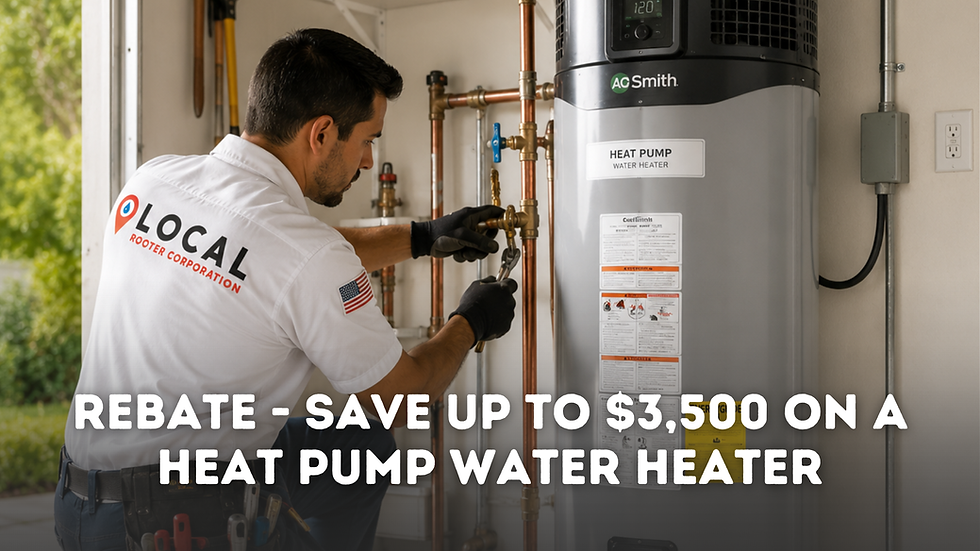
In some cases, incentives can reduce costs by $1,000 to $4,900 or more, making early upgrades significantly more affordable.
Do You Need an Electrical Panel Upgrade?
This is one of the biggest unknowns—and risks.
Many older homes in San Jose and surrounding areas still have:
100-amp panels
Limited breaker space
Heat pump water heaters typically require:
Dedicated 240V circuit
Available capacity in panel
If your panel is outdated, upgrading it can add thousands to your project.
Timeline: Why You Should Act Before 2027
If You Upgrade Now (2026 or Earlier)
Lower installation cost
Faster scheduling
Access to rebates
No emergency pressure
If You Wait Until 2027
Mandatory conversion
Longer delays
Higher labor costs
Potential permit backlog
Real Scenario: What Happens After 2027
Let’s say your water heater fails in February 2027:
You call a plumber
You’re told gas replacement is no longer allowed
You need:
Electric system
Permit
Possibly electrician
Timeline extends from same day → multiple days or weeks
This is the “hot water gap” most homeowners aren’t prepared for.
Who Is Most Affected?
You should prioritize upgrading now if you:
Own a home older than 15 years
Have an aging water heater (8–12+ years)
Own rental properties
Have an older electrical panel
Want to avoid emergency upgrades

How to Prepare (Step-by-Step)
Step 1: Assess Your Current System
Age of water heater
Type (gas vs electric)
Condition
Step 2: Evaluate Electrical Capacity
Panel size
Available circuits
Step 3: Get a Pre-2027 Upgrade Quote
A professional assessment helps you:
Understand full cost
Identify hidden issues
Plan ahead
Step 4: Lock in Rebates Early
Programs may:
Change
Run out of funding
Become more restrictive
Why Early Conversion Is the Smartest Move
Upgrading before the deadline gives you:
✔ Control over timing
✔ Lower costs
✔ Access to incentives
✔ Peace of mind
Waiting puts you in a reactive position—and reactive work is always more expensive.
Frequently Asked Questions
Can I still repair my gas water heater after 2027?
Yes. Repairs are allowed. The restriction applies to new installations and replacements.
Can I install a gas unit before 2027?
Yes—but consider the lifespan. A new gas unit installed in 2026 could last 10–15 years, but future repairs or replacement rules may tighten further.
Are heat pump water heaters reliable?
Yes. Modern systems are highly reliable and widely used across California.
Will installation take longer than gas?
Yes. Electric and heat pump systems often require more setup, especially if electrical upgrades are needed.
Final Thoughts: Don’t Wait for an Emergency
The 2027 regulation is not just a policy change—it’s a fundamental shift in how homes are equipped in the Bay Area.
If you wait until your water heater fails after the deadline, you’ll be dealing with:
Higher costs
Longer delays
More complex installations
But if you act now, you stay ahead of the curve.

Need Help Planning Your Upgrade?
At Local Rooter Corp, we specialize in:
Gas-to-electric water heater conversions
Heat pump water heater installations
2027 compliance upgrades across the Bay Area
📍 Service Area: Bay Area
📞 Phone: 408-868-8759
Contact us today for a Pre-2027 Water Heater Assessment and avoid the rush


Comments